
The Problem (That Most Teams Don't Solve)
Trading companies waste weeks on failed account setups, rejections, and workarounds. Temporary accounts. Fragmented campaigns. Manual reviews. Constant rejections.
Most teams assume regulation is a wall. It's not. Major platforms are actively opening access for regulated trading firms — but only for those with the right setup.
The difference between rejection and 7-figure ad spend? Your account structure, licensing alignment, and how you verify with platforms.
What's Actually Possible Right Now
❤️ Approvals are access mechanisms. Platforms use them to separate licensed firms from unregulated operations.
Why This Matters (Beyond Just "Access")
Trading companies that navigate these requirements correctly see:
✓ Faster approvals — No account reviews; no sudden blocks; no moderation stalls
✓ Better CPMs & CPAs — Higher-trust accounts = higher quality delivery
✓ Stable delivery — No volatile days; no unexplained volume drops
✓ Scalable budgets — Launch at full spend; no artificial gradual ramp-up
✓ Cross-platform coordination — Move spend where performance is strongest
This only works with:
- The right account structure (aligned with your licensing footprint)
- Direct platform relationships
- Centralized control (payments, budgets, provisioning)
- Proper regulatory documentation from day one
Without this setup? You're back to temporary accounts and workarounds.
Real Example: 106k App Installs in 30 Days (No Account Bans)
Here's what happened when OHM Agency and Evido launched a fintech trading app on Meta:
The Challenge:
- Fintech app targeting investment trading
- Risk of account suspensions during scaling
- Need for predictable CPI in emerging markets
The Strategy:
- Proper account setup aligned with Meta's fintech requirements
- Compliant creatives with clear disclaimers: "Investments involve risk, including loss of all funds"
- Regular creative rotation to avoid fatigue and moderation blocks
- Real app interface (no "get rich quick" promises)
The Results:
This is exactly what the table above makes possible: regulated trading companies can scale reliably on Meta when they use the right approach.
What Happens Next
Most trading companies either:
- Stay stuck in rejection cycles
- Spend $50k+ on agencies who don't understand platform policy (wrong setup)
- Work with platforms directly but lack the compliance framework (slow approvals)
There's a fourth option: Build a sustainable launch strategy aligned with current platform policies, your regulatory status, and geographic focus.
This means:
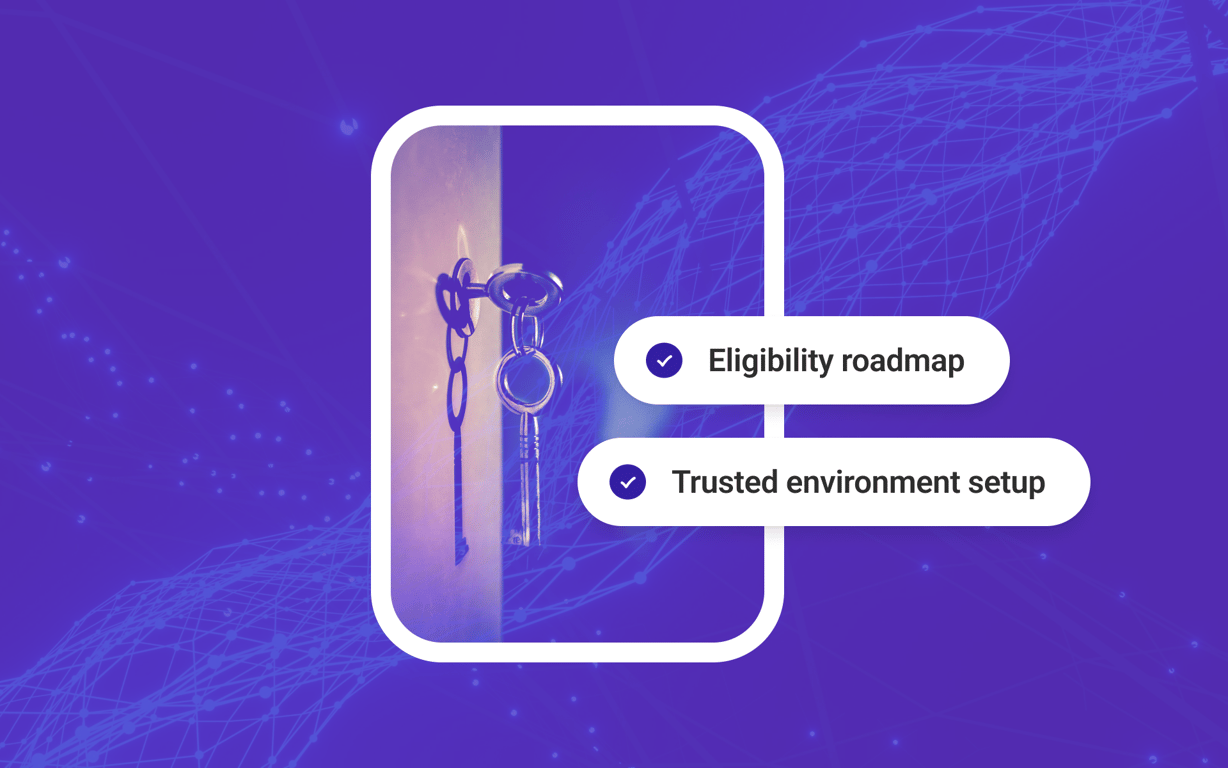
- A clear country-by-country eligibility roadmap
- Account structure optimized for approvals
- Direct allolisting and trusted environment setup
- Centralized control for predictable scaling
Next Step
If you're running a regulated trading company and want to move beyond rejections:
P.S. If you're already spending $10k+ monthly on ads and dealing with account reviews or delivery issues, this conversation is worth 1 hour of your time. Most teams recover that cost in the first 2-3 weeks after fixing account setup and platform relationships.

.jpg)





.jpg)